
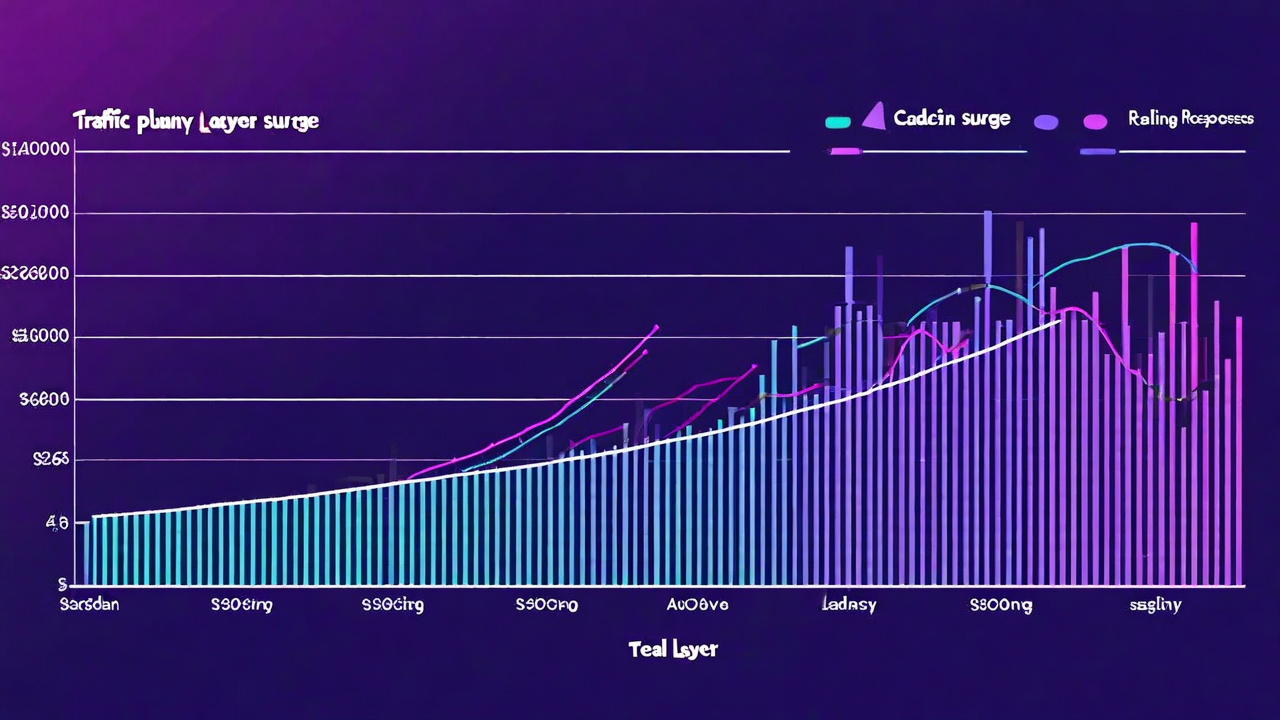
The standard advice is "provision for your worst case." For launch day, worst case could be 10x your expected peak. Provisioning for that means paying for 10x your normal infrastructure for the other 364 days per year when you're not launching.
There's a better way. But it requires rethinking how game server instances are managed, what "auto-scaling" actually means in a low-latency context, and where the failure modes live.
Why game server auto-scaling is different from web auto-scaling
Web services scale horizontally in a pretty clean way. More HTTP requests come in, you spin up more app servers, load balancer distributes traffic, everyone's happy. The new instances don't need to know anything about existing instances. Requests are stateless.
Game servers are stateful. Each instance is running an active game session with real players connected to it. You can't redirect mid-game traffic to a new instance. You can't load balance players between servers mid-match. When a game session starts, it's pinned to its server until the match ends.
This means scaling in response to demand is actually scaling in response to session creation rate, not current load. You don't scale when your servers are full — you scale when you predict they're about to fill up.
The predictive warm pool model
The architecture that works: maintain a warm pool of pre-initialized, pre-connected server instances that can accept a session in under 500ms. Scale the warm pool size based on session creation rate projections, not current instance utilization.
The warm pool should always have enough headroom to absorb a 3-minute spike in session creation requests. Three minutes is enough time for your scaling system to detect the demand increase, provision new compute, initialize the game server process, and move those new instances into the warm pool. If your initialization time exceeds 3 minutes, your headroom window needs to grow accordingly.
We target a warm pool ratio of 15–20% of active session count during normal operations. On a day with 5,000 active game sessions, we keep 750–1,000 warm instances ready. At launch day peak expectations of 40,000 concurrent sessions, that's 6,000–8,000 warm instances standing by. Yes, that's expensive for a few hours. It's less expensive than your game's reviews carrying "unplayable servers on launch day" for the next six months.
Graduated scaling triggers
Single-metric scaling (if utilization > 80%, scale up) doesn't capture the right signal for game servers. You want to monitor session creation rate, not instance utilization, as your primary trigger. A server fleet at 70% utilization but with session creation rate trending upward 20% over the last 5 minutes is about to hit capacity in roughly 15 minutes. Start scaling now.
We use three concurrent scaling signals:
Session creation rate: rolling 5-minute average vs. 30-minute baseline. If current rate is 30% above baseline, scale up one capacity tier.
Warm pool depth: if warm pool drops below 10% of active sessions, trigger emergency scale regardless of rate trends.
Queue depth at matchmaker: if matchmaking queue length exceeds 90 seconds average wait time, the system is capacity-constrained at the session layer. Immediate scale trigger.
Instance initialization cost matters more than you think
The reason warm pools matter: cold-starting a game server instance takes time. You need to boot the OS image, initialize the game server binary, load game assets into memory, and establish connectivity with the orchestration layer. In our setup, optimized cold start time is around 45–90 seconds depending on asset size.
Under a demand spike, you can't wait 90 seconds to serve players. They'll time out or drop from the matchmaking queue. So you need pre-warmed capacity already available, which means you were paying for it before you needed it.
The optimization here is aggressive asset pre-loading at image build time rather than runtime. Custom machine images with game assets baked in can cut cold start from 90 seconds to under 20 seconds. That narrows the warm pool depth you need to maintain, which reduces standing idle cost meaningfully.
Scale-down is where teams get burned
Scaling down post-peak has specific risks. You can't terminate an instance with an active game session on it. The only safe termination trigger is instance idleness — the game session ended, no new session has been assigned, the instance has been in the warm pool for longer than your drain window.
Where teams go wrong: they set aggressive scale-down policies that start evicting warm instances during post-peak while new sessions are still being created at moderate rates. The warm pool drains faster than sessions complete. You end up with cold-start delays during what should be a stable traffic plateau.
Use a conservative drain window — we use 8 minutes of idle before returning an instance to the reclaim pool, and we only reclaim up to 30% of warm instances per 10-minute window. This prevents the oscillation pattern where your warm pool empties and refills in cycles.
What launch day actually looks like
With this architecture, a typical launch day looks like this: 6 hours before launch, scheduled scale-up begins. Warm pool builds to launch-peak projection. Session creation rate spikes at launch — warm pool absorbs it immediately, players connect in under 500ms. Scaling system tracks session creation rate and grows the fleet to maintain warm pool ratio. Peak passes, scale-down begins with drain window protection. Normal pool depth restored within 2–3 hours of peak end.
The key metric: zero sessions queued for longer than 90 seconds due to capacity constraints. That's the SLA that matters on launch day, not server utilization percentage.
Launch day infrastructure you can actually rely on
GameStack handles warm pool management, graduated scaling, and drain-safe scale-down. Set your target capacity and we'll handle the rest.
Talk to our team