Global Infrastructure
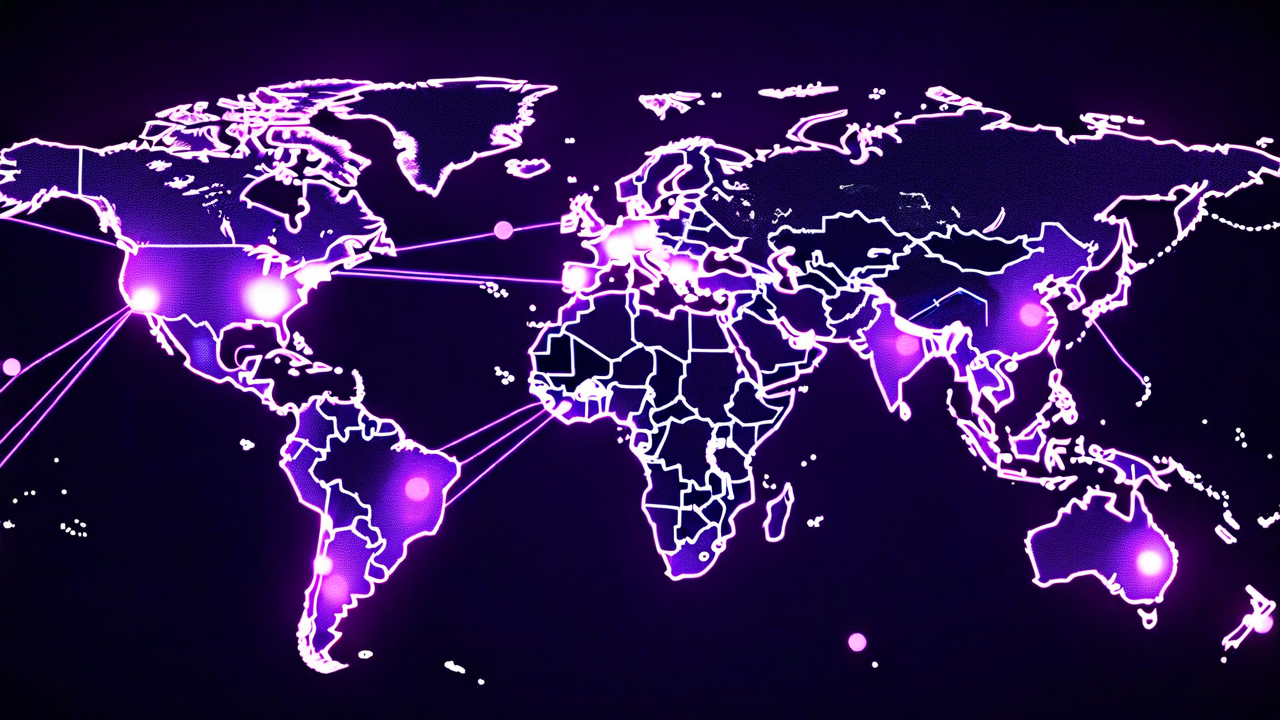
32 nodes. Every major region covered.
North America, Europe, Asia-Pacific. Players always connect to the nearest node.
When your backend just works, your team builds better games. That's the whole idea.
GameStack's architecture connects your game client to a global server fleet through a single SDK call.
Native SDKs for Unity, Unreal, and Godot. One API surface. Works the same across all engines.
Dedicated game servers that scale up in seconds. You define the image. We handle the fleet.
32 nodes route players to the lowest-latency server automatically. No configuration required.
Stop rebuilding systems other studios already threw away. Use ours.
Full-authority server instances with persistent state. Your game logic runs server-side. Players connect, not host. No peer-to-peer latency issues, no cheat vectors from client-side authority.
When players need indirect connections | firewalls, carrier-grade NAT, mobile networks | the relay network handles it transparently. Same API, same latency targets, no extra work on your end.
Define your own matchmaking rules | skill brackets, region priority, party size, ping limits. The engine handles queue management, backfill, and timeout escalation. You write the rules; it runs them.
CCU over time, regional latency distributions, server error rates, match completion rates. The data your ops team actually needs, not a generic cloud dashboard. Alerts included.
North America, Europe, Asia-Pacific. Players always connect to the nearest node.
Native packages for the three most-used game engines. Same API across all of them.
using GameStack;

var client = new GSClient("your-api-key");
await client.Matchmaking.FindMatch(new MatchConfig {
  Mode = "ranked",
  Region = Region.Auto
});
UGameStackClient* Client =
  NewObject<UGameStackClient>();
Client->Initialize("your-api-key");
Client->Matchmaking->FindMatch(
  FMatchConfig(EMode::Ranked,
               ERegion::Auto));
var client = GameStackClient.new()
client.initialize("your-api-key")
var match = await client.matchmaking\
  .find_match({
    "mode": "ranked",
    "region": "auto"
  })